
Chimney System Maintenance vs. Chimney Cleaning: What Salt Lake City Homeowners Need to Know
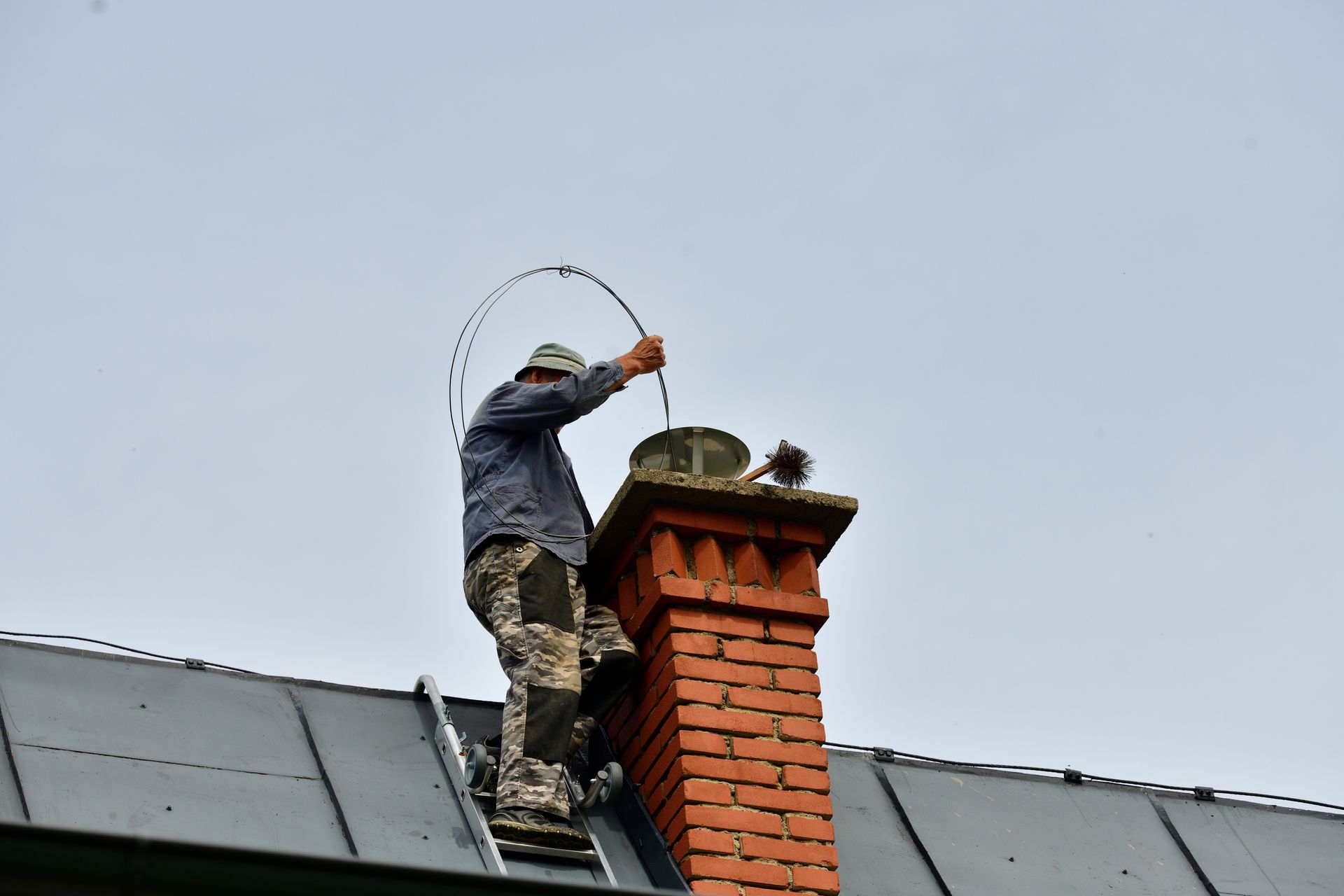
Many Salt Lake City, UT, homeowners treat chimney cleaning and chimney system maintenance as the same thing, but understanding the difference can protect your home through Utah's demanding seasons. Chimney system maintenance covers a broader scope of care than a standard sweep, and knowing what each service includes helps you make smarter decisions for your fireplace all year long.
Chimney Cleaning Defined
Chimney cleaning focuses on removing what has built up inside your flue. A professional sweep clears creosote, soot, and debris from the flue liner so that smoke and combustion gases can exit safely.
A standard chimney cleaning generally includes brushing and vacuuming the flue liner to remove creosote and soot, clearing blockages such as leaves or bird nests, and a basic visual check of the firebox and damper. Cleaning is essential, but it does not evaluate the structural health of your cap, crown, liner, or masonry.
What Does Chimney System Maintenance Include?
Chimney system maintenance goes beyond the sweep. It involves inspection and care of every component, from the firebox at the base to the cap at the top.
A complete maintenance visit typically covers inspection of the flue liner for cracks or deterioration, evaluation of the chimney crown for weather damage, a check of the cap and spark arrestor, assessment of mortar joints and brick for spalling or water intrusion, a damper review, and a waterproofing evaluation.
A sweep can only confirm the flue is clean. A full system review tells you whether your chimney is safe and structurally sound.
How Utah's Climate Makes Full-System Care Essential
Salt Lake City, UT, sits at the base of the Wasatch Range, and that geography creates real stress on chimneys. The freeze-thaw cycle from November through March can crack mortar joints and crowns faster than in milder climates. Summer heat and UV exposure deteriorate caps and flashing, and wildfire smoke seasons across the Wasatch Front can push fine ash into flues unexpectedly.
Waterproofing is one area where local conditions particularly demand attention. Snowmelt and spring rain can work into small masonry cracks, and when temperatures drop again, that moisture expands and enlarges the damage. A system maintenance visit identifies these vulnerabilities before they become costly repairs.
Cleaning vs. Full System Maintenance at a Glance
Chimney cleaning and chimney system maintenance share some overlap, but the scope of each service is meaningfully different. Creosote and soot removal is part of both, but nearly every other element sets them apart. A standard cleaning includes only a basic visual look at the flue liner, while a full maintenance visit delivers a detailed evaluation. Chimney cleaning does not include a crown check, cap and spark arrestor review, masonry and mortar assessment, or waterproofing evaluation, all of which are covered under system maintenance. Damper function is only partially reviewed during a cleaning, whereas a maintenance visit addresses it fully. For Salt Lake City homeowners dealing with freeze-thaw wear and seasonal moisture, that broader scope is what makes the difference between catching a problem early and facing a costly repair later.
How Often Should You Schedule Each Service?
Annual cleaning is the general guideline for regularly used wood-burning fireplaces. Gas fireplaces may need less frequent cleaning but still require attention.
Full chimney system maintenance is recommended at least once a year, ideally before the heating season. Given Utah's freeze-thaw wear, some Wasatch Front homeowners may benefit from an additional check in late spring after winter stress has taken its toll.
Red Flags That Cleaning Alone Is Not Enough
Certain signs indicate you need a more thorough system evaluation rather than a sweep alone. These include smoke entering your living space when the damper is open, water stains on ceilings or walls near the chimney, a strong, persistent odor from the firebox when not in use, white staining (efflorescence) on exterior brickwork, crumbling mortar or spalling brick, and a damaged or missing chimney cap. Any of these can point to liner, crown, masonry, or waterproofing issues that a cleaning will not resolve.
What Is the Difference Between a Level I and Level II Chimney Inspection?
A Level I inspection is a visual check of accessible components, typically paired with an annual cleaning. A Level II inspection uses camera equipment to examine areas not visible to the naked eye and is recommended after a chimney fire, home purchase, or system change.
Can I Just Get a Cleaning Before Winter Instead of Full Maintenance?
Cleaning before the heating season is a smart step, but it may not reveal hidden problems. Combining a cleaning with a full system inspection means you head into winter knowing the flue is clear and the structure is sound.
Does a Gas Fireplace Need Chimney System Maintenance?
Yes. Gas fireplaces still vent combustion byproducts and can develop liner cracks, blocked flues, or damper issues. Annual maintenance remains important even without the heavy creosote buildup that wood-burning units produce.
How Long Does a Full Chimney System Maintenance Visit Take?
A thorough maintenance visit typically takes one to two hours, depending on chimney height, system complexity, and the level of buildup or wear present.
Schedule Your Chimney System Maintenance With A. B. Richards Professionals
When you want a thorough evaluation before Salt Lake City's heating season arrives, A. B. Richards Professionals offers expert chimney care for homeowners across the Wasatch Front. The team covers the full flue-to-cap path, catching small problems before they become costly repairs. Call (801) 566-5382 to request a free quote, or learn more about chimney sweeping services to understand what a full-service visit includes. Ready to get started? Contact the team online to schedule a convenient appointment.