
What Homeowners Need to Know About Chimney System Maintenance Before Winter in Salt Lake City, UT
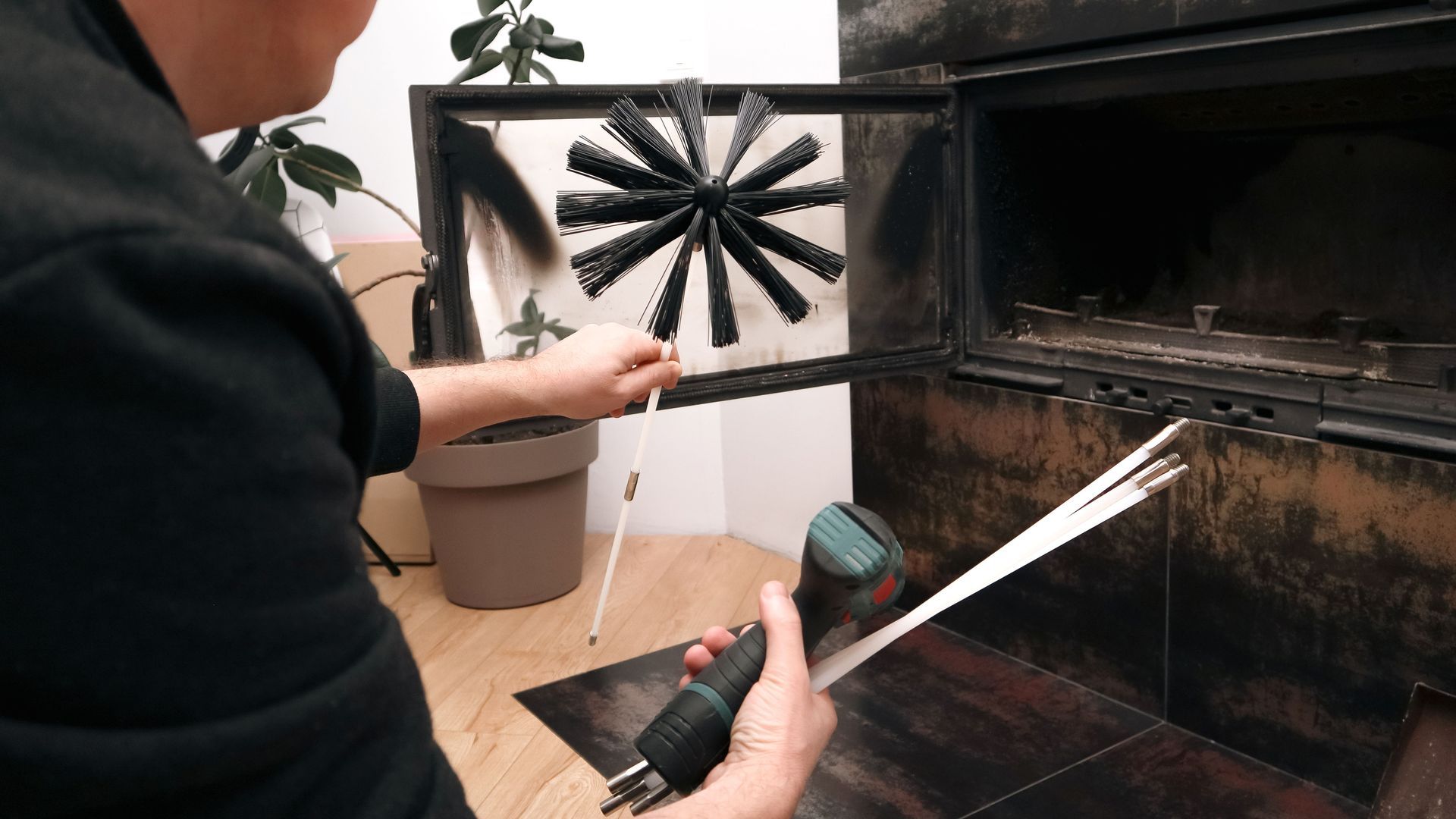
Chimney system maintenance is one of the most important safety steps a homeowner can take before cold weather arrives. Salt Lake City's long heating season makes it especially urgent. When a chimney is neglected, hazards like creosote buildup and cracked components can quietly escalate into serious risks. Understanding what chimney maintenance involves can help homeowners stay safer and keep their fireplace running efficiently all season long.
What Is Inside Your Chimney System?
Every chimney system has several key parts, and each one plays a role in safety. Here is a quick breakdown:
- The flue liner channels smoke and combustion gases safely out of the home. Cracks may allow heat and toxic gases to reach wall framing or living spaces.
- The damper controls airflow during use and seals the flue when idle. A stuck or corroded damper affects draft and lets cold air inside.
- The chimney crown protects the top of the masonry structure from rain and snow. Cracking is common after freeze-thaw cycles.
- The chimney cap keeps out rain, debris, and animals. A missing or damaged cap leads to moisture damage and blockages.
- The
firebox is where wood burns. Deteriorating mortar joints or spalled bricks can become a fire hazard over time.
Why Does the Climate Make Chimney Care So Important?
Salt Lake City winters create ideal conditions for heavy fireplace use, making chimney system care a fall priority. The region's inversion season traps pollutants and smoke close to the valley floor. A restricted or dirty flue can make that problem significantly worse indoors.
Utah's dry mountain air also encourages frequent wood-burning, which speeds up creosote accumulation. Creosote is a flammable byproduct that coats the inside of the flue. In thick layers, it becomes a leading cause of chimney fires. A professional chimney maintenance inspection can identify and remove creosote before it reaches a dangerous stage.
Freeze-thaw cycles common to the Wasatch Front also stress masonry components like the chimney crown and mortar joints. Water enters small cracks, freezes, expands, and widens the damage each season. Catching these issues in a fall inspection can prevent far more costly repairs later.
What a Seasonal Chimney Maintenance Checklist May Include
A thorough fall inspection and cleaning typically covers:
- Inspecting the flue liner for cracks, gaps, or blockages.
- Checking the damper for proper operation and fit.
- Evaluating the chimney crown and cap for weather-related damage.
- Removing creosote and soot buildup from the flue walls.
- Examining the firebox for deteriorating mortar or brick damage.
- Confirming the chimney top is free of animal nests or debris.
Scheduling this evaluation before peak fireplace season helps homeowners avoid emergency repairs during the coldest months.
When Is the Best Time to Schedule Chimney Maintenance?
Fall is the ideal time for chimney system maintenance. Scheduling before temperatures drop means your fireplace is ready from the first cold night of the season. Waiting until winter can mean longer service delays and the risk of using an uninspected system.
When Is the Best Time to Schedule Chimney Maintenance?
Cottonwood Heights-based A. B. Richards Professionals proudly serves Salt Lake City, UT, and surrounding Wasatch Front communities with chimney system maintenance, cleaning, inspection, and masonry services. Call (801) 566-5382 to schedule a seasonal visit. For our full range of services, visit our chimney maintenance page. You can also find us and read customer reviews on our Google Profile.